Flooring Guide
Heart Pine Floor Restoration in Georgia's Mill & Antebellum Homes
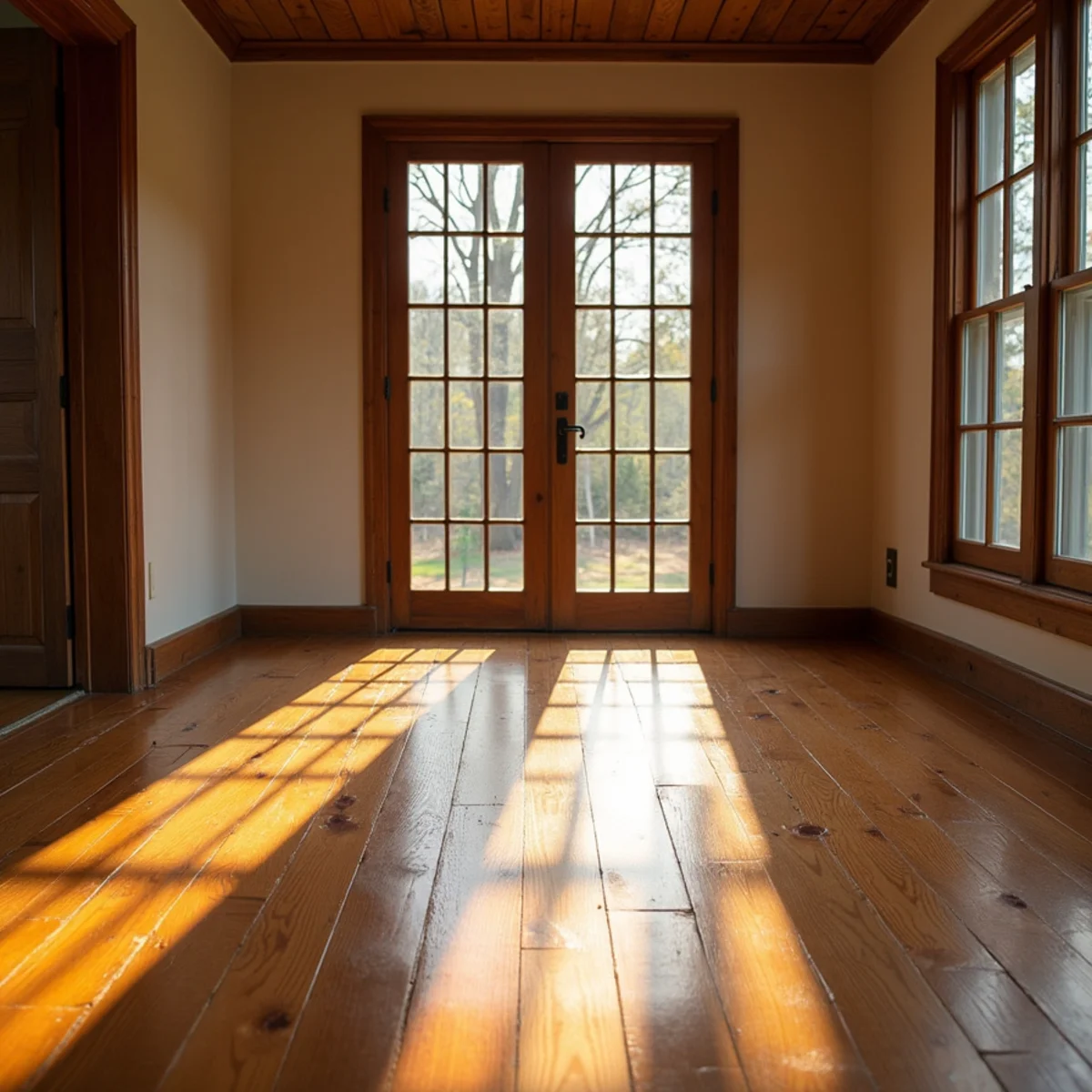
Towns like Social Circle carry some of Georgia’s finest old homes — mill houses, farmhouses, and antebellum places, many with their original heart pine floors still underfoot. Heart pine is irreplaceable: dense, richly grained old-growth wood milled from trees that took centuries to mature. Restoring it is one of the most rewarding jobs in flooring, and one of the easiest to ruin with the wrong approach. Here is what careful restoration involves.
Why Heart Pine Is Different
Heart pine comes from the heartwood of longleaf pines that grew slowly over a very long time, giving it a tight grain, deep amber color, and remarkable hardness for a softwood. The floors in these homes are often over a century old, hand-installed, and simply not available new. That rarity changes everything about how they should be treated — you cannot just sand aggressively and start over the way you might with a modern floor, because every pass removes irreplaceable material.
You cannot buy this wood new
Old-growth heart pine is essentially gone. Reclaimed material exists but is expensive and imperfect. Preserving the original boards is almost always better than replacing them.
Restoration, Not Renovation
The goal with a historic floor is to preserve character, not erase it. The patina, the slight unevenness, the worn paths where generations have walked — those tell the home’s story. Good restoration cleans up damage and protects the wood while keeping that history intact. That mindset separates historic floor restoration from a standard refinish.
What Careful Restoration Includes
- Assessing board condition, thickness, and how many times the floor has already been sanded.
- Gentle sanding calibrated to remove finish and damage without over-thinning old boards.
- Hand-repairing damaged sections and filling gaps in keeping with the era.
- Sourcing matching reclaimed heart pine for any boards beyond saving.
- Choosing finishes that suit historic wood and let the grain show.
The Challenges Unique to Old Homes
Antebellum and mill homes come with conditions modern floors never face. Many sit over open or minimally sealed crawlspaces, so decades of Georgia humidity — our roughly 51 inches of annual rain and long damp summers — have worked on the boards and the framing below. Square-cut nails, cut-nail patterns, hand-planed surfaces, and boards of varying width all demand a patient, knowledgeable hand.
It is also common to find past repairs done poorly: mismatched modern lumber patched into a heart pine floor, or a previous sanding that took the boards dangerously thin. Part of restoration is undoing those mistakes as much as the original wear.
Check how much floor is left
A heart pine floor sanded several times over a century may have little thickness left above the tongue. An experienced restorer measures before sanding, because one careless pass can ruin an irreplaceable floor.
Dealing With Moisture First
As with any Georgia floor, moisture is the enemy, and in a historic home the crawlspace usually needs attention before the floor is touched. Water wicking up from bare soil can cup, crown, or rot even old-growth boards. A thoughtful restoration addresses drainage, a vapor barrier, and ventilation under the house so the newly restored floor stays stable for decades more. Restoring the surface while ignoring a wet crawlspace only wastes the effort.
Matching Repairs to the Era
When boards genuinely must be replaced, the material and method matter. Reclaimed heart pine of similar age and grain, installed to match the original layout and nailing, keeps the floor honest. Modern pine or oak stands out immediately and cheapens a historic home. Sourcing the right material takes effort, but it is what separates a proper restoration from a patch job.
Finishing Choices for Historic Floors
The finish you put on a restored heart pine floor is as much a preservation decision as an aesthetic one. Many owners of historic homes prefer penetrating oil finishes, which soak into the wood and let the grain and patina show through with a low sheen that suits an old house. Oil finishes are easy to spot-repair down the road — a scuffed area can be re-oiled without refinishing the whole floor — which fits the long-term stewardship mindset these homes deserve.
Modern surface finishes offer more scratch resistance and are a reasonable choice in a busy household, but a high-gloss, glassy finish can look out of place on a century-old heart pine floor and hide the character that makes it special. The right answer depends on how the room is used and the look you want, but on a genuinely historic floor, the goal is usually to protect the wood while letting its age read honestly rather than encasing it in a finish that belongs on a new floor.
Preserve What Cannot Be Replaced
Original heart pine is part of what makes Georgia’s historic homes special, and it deserves a restorer who understands old wood. Baxter Professional LLC restores heart pine and other historic floors with the care they require, for homeowners in Social Circle and across the region. Call (844) 954-6342 for a free estimate and an honest assessment of your floor.
Related Baxter Professional services
Frequently asked questions
Usually yes, but carefully. Heart pine is irreplaceable old-growth wood, so restoration favors gentle sanding and preservation over aggressive refinishing that thins the boards.
Reclaimed heart pine of similar age and grain can be sourced and installed to match the original. Using modern lumber stands out and diminishes a historic floor.
An experienced restorer measures the wood remaining above the tongue. Floors sanded several times over a century may have little left, which limits how they can be treated.
Written by the Baxter Professional flooring crew
A locally owned, fully insured flooring contractor in Monroe, GA — installing, refinishing and repairing floors across Walton County for homeowners, landlords and businesses. Questions about your project? Meet the team or call (844) 954-6342 for a free estimate.
Keep reading
Why Georgia Red Clay Ruins Floors - and the Waterproof Fix
How Georgia red clay damages floors from above and below, and why waterproof flooring is the practical fix for homes in clay country.
Slab Moisture in New Walton & Jackson County Builds: Test Before LVP
Why new-construction slabs in Walton and Jackson counties must be moisture-tested before LVP, and what happens when they are not.
Crawlspace Moisture: The Hidden Floor Killer in Pre-1990 Georgia Homes
How crawlspace moisture silently destroys subfloors and hardwood in pre-1990 Georgia homes, plus the warning signs and the fix.