Flooring Guide
Why Georgia Red Clay Ruins Floors - and the Waterproof Fix
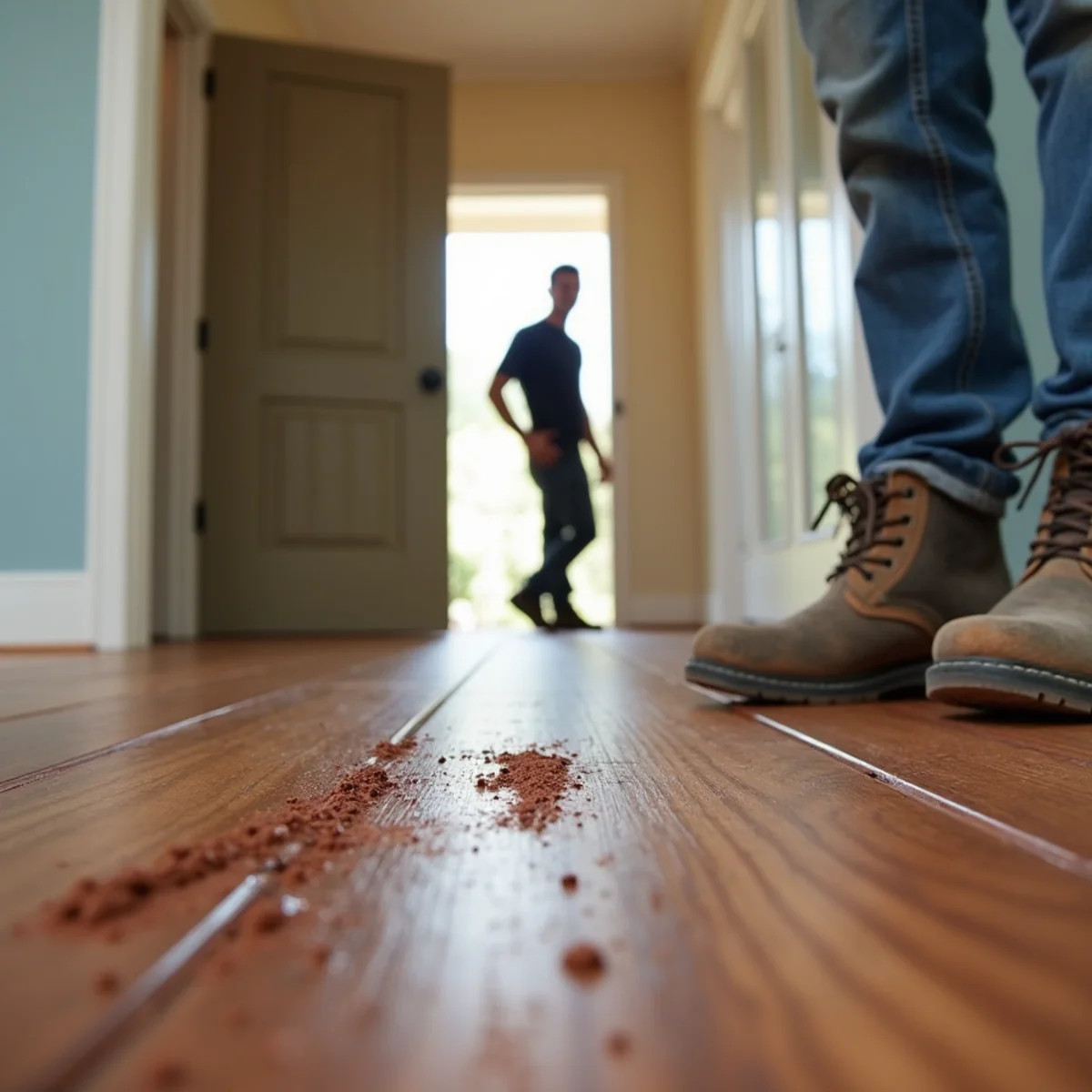
Anyone who has lived in Walnut Grove or anywhere in this part of Georgia knows red clay. It is on your shoes, your kids, the dog, and eventually your floors. But red clay does more than make a mess — it stains porous materials, holds moisture, and in the ground it drives the crawlspace and drainage problems that quietly destroy floors from below. Understanding both attacks explains why waterproof flooring has become the go-to answer here.
The Two Ways Red Clay Ruins Floors
Red clay hurts floors from two directions, and homeowners usually only think about one of them.
From Above: Staining and Grit
Tracked-in clay is fine, pigmented, and abrasive. It stains grout, works into carpet fibers, and grinds against floor finishes like sandpaper. Porous and absorbent floors — old carpet, unsealed grout, even some finishes — pick up the reddish tint and never fully let go of it. Entryways and mudrooms bear the worst of it.
From Below: Moisture and Drainage
This is the damage people miss. Clay soil drains poorly — water sits on and in it rather than soaking away. Around a foundation, that means water pooling against the house and humidity building in the crawlspace. Combined with our roughly 51 inches of annual rain and humid summers, clay soil keeps the ground under many homes chronically damp, and that moisture rises into subfloors and hardwood, causing cupping, rot, and mold.
Clay holds water against your house
Because red clay sheds water so slowly, grading and gutters matter enormously. Soil sloping toward the foundation feeds a wet crawlspace, which feeds subfloor damage year after year.
Why Waterproof Flooring Makes Sense Here
Given both attacks, the practical fix is a floor that shrugs off water and cleans easily — which is exactly what luxury vinyl plank offers. LVP is fully waterproof, so spills, wet shoes, and humidity do not swell or stain it. Its smooth, sealed surface wipes clean of clay with no grout lines to hold the stain. And it is dimensionally stable in Georgia humidity, unlike laminate, which swells, or solid hardwood, which cups over a damp crawlspace.
- Waterproof through the whole plank, not just the surface.
- No grout lines to trap red clay.
- Stable in high humidity — resists cupping and gaps.
- Priced right at about $3.22 to $6.44 per square foot installed.
- Easy to clean and forgiving of daily red-clay traffic.
But Waterproof Flooring Is Not a Cure-All
Here is the part cheaper installers skip: LVP being waterproof does not fix a wet crawlspace. If moisture is rising from damp clay soil, it can still rot the subfloor beneath even a waterproof floor, and vapor can breed mold underneath a floating floor. Waterproof flooring solves the from-above problem completely and buys resilience against the from-below one, but the real fix for crawlspace moisture is drainage, a vapor barrier, and grading.
Fix the ground, then lay the floor
The best waterproof flooring in the world sits on a subfloor. Correcting crawlspace moisture and drainage before installation is what makes the new floor last in clay country.
The Complete Approach
A floor built to survive Georgia red clay takes both halves seriously. Above the subfloor, waterproof LVP handles the traffic and the tracked-in mess. Below it, addressing the crawlspace and drainage keeps moisture from undermining the whole thing. On slabs, moisture testing and a vapor barrier do the same job. Done together, you get a floor that looks good and lasts.
Simple Daily Defense Against Red Clay
Even the best waterproof floor lasts longer and looks better with a little daily defense against red clay, and the measures are cheap and low-effort. Good walk-off mats at every entry — one outside and one inside each door — catch the bulk of the clay before it reaches the floor. A boot tray in the mudroom keeps wet, muddy shoes in one spot instead of tracking across the room. These small steps dramatically cut how much abrasive grit gets ground into the surface underfoot.
For cleaning, a quick sweep or dry dust-mop removes the fine clay dust that would otherwise act like sandpaper, followed by a damp mop with a mild cleaner as needed. LVP’s sealed surface releases clay easily, so you are not scrubbing stains out of grout or fibers. Pair these habits with the moisture control below the floor, and a waterproof floor in clay country will look good and hold up for many years.
Get a Floor Built for Clay Country
If red clay has stained your old floors or moisture is working on your subfloor, a waterproof floor installed the right way is the answer. Baxter Professional LLC installs waterproof LVP and addresses the moisture conditions behind floor failure for homeowners in Walnut Grove and across the area. Call (844) 954-6342 for a free estimate.
Related Baxter Professional services
Frequently asked questions
Luxury vinyl plank is the top choice — fully waterproof, easy to clean of red clay, stable in humidity, and reasonably priced. It outperforms laminate and hardwood in our climate.
No. Waterproof LVP resists water from above, but moisture rising from a damp crawlspace can still rot the subfloor. Drainage, a vapor barrier, and grading are the real fix.
Red clay is fine and pigmented, so it works into porous materials like grout and carpet and abrades finishes. Smooth, sealed surfaces like LVP resist the staining.
Written by the Baxter Professional flooring crew
A locally owned, fully insured flooring contractor in Monroe, GA — installing, refinishing and repairing floors across Walton County for homeowners, landlords and businesses. Questions about your project? Meet the team or call (844) 954-6342 for a free estimate.
Keep reading
Heart Pine Floor Restoration in Georgia's Mill & Antebellum Homes
What it takes to restore original heart pine floors in Georgia’s historic mill and antebellum homes without destroying their character.
Slab Moisture in New Walton & Jackson County Builds: Test Before LVP
Why new-construction slabs in Walton and Jackson counties must be moisture-tested before LVP, and what happens when they are not.
Crawlspace Moisture: The Hidden Floor Killer in Pre-1990 Georgia Homes
How crawlspace moisture silently destroys subfloors and hardwood in pre-1990 Georgia homes, plus the warning signs and the fix.