Flooring Guide
Carpet to Hard Surface: The Smart Upgrade for 1980s-90s Subdivisions
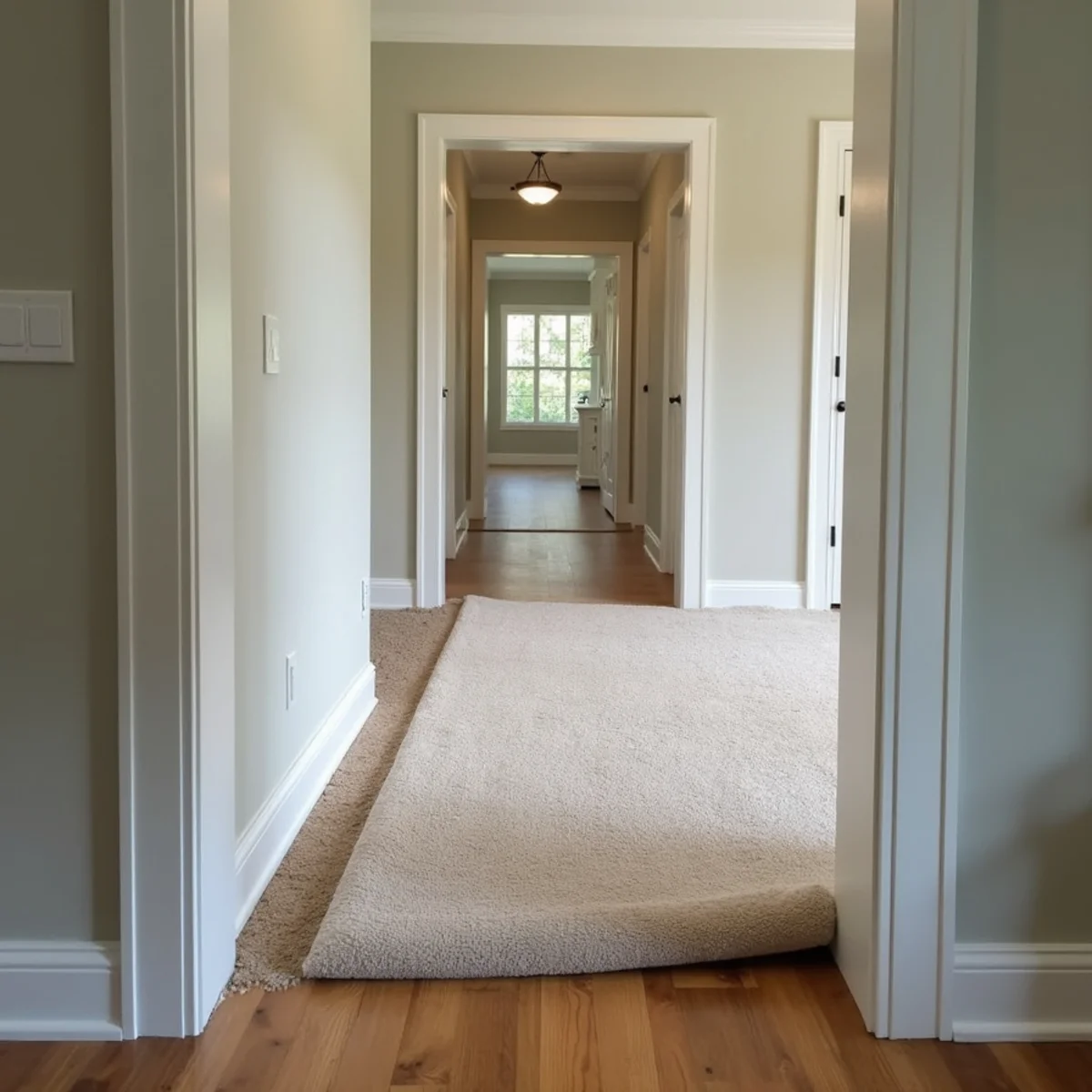
Drive through the established subdivisions around Winder and you will find hundreds of solid brick-and-siding homes built in the 1980s and 90s — and a lot of them still have their original wall-to-wall carpet. That carpet is decades old, holds every allergen the family has ever tracked in, and instantly dates the house. Swapping it for luxury vinyl plank is one of the highest-return upgrades these homes can get.
Why Owners Are Ripping Out the Carpet
Carpet made sense when these homes were built, but tastes and technology have moved on. LVP did not exist in its current form back then; today it delivers the warmth and quiet people liked about carpet without the downsides.
- Allergens: decades-old carpet traps dust, pet dander, pollen, and mold spores that hard surface simply does not hold.
- Appearance: worn, matted carpet dates a home; LVP reads as modern and move-in ready.
- Durability: LVP handles kids, pets, and Georgia red clay far better than carpet.
- Resale: buyers today overwhelmingly prefer hard-surface floors, and it shows in offers.
- Cleaning: a spill on LVP wipes up; a spill on carpet is a stain.
A conversion buyers can see
For homes in this era of subdivision, replacing tired carpet with LVP is one of the most visible, buyer-friendly updates you can make short of a kitchen remodel — and far less expensive.
Why LVP Is the Right Replacement
You could go back to carpet, or up to hardwood, but for most of these homes LVP hits the sweet spot. It is waterproof, which matters in kitchens, baths, and over the crawlspaces many of these houses have. It is priced right at about $3.22 to $6.44 per square foot installed. And it stands up to Georgia humidity better than laminate or solid hardwood, staying dimensionally stable through our long, damp summers.
What the Conversion Actually Involves
People sometimes assume swapping carpet for LVP is a simple pull-and-lay. Usually it is, but the subfloor underneath decades of carpet can hold surprises, so the process is worth understanding.
- Remove the old carpet, pad, and tack strips, and haul them away — typically one to three dollars per square foot.
- Inspect the exposed subfloor for squeaks, soft spots, and old moisture damage.
- Repair and level the subfloor as needed — commonly two to five dollars per square foot where required.
- Check moisture, especially on slabs and over crawlspaces, and add a vapor barrier if needed.
- Install the LVP with proper transitions to adjoining rooms.
The carpet was hiding the subfloor
Carpet and pad mask squeaks and soft spots you never felt. Pulling it up is the perfect time to fix subfloor issues before a rigid LVP floor goes down, since LVP shows every unevenness.
The Crawlspace Consideration
Many Winder-area homes from this period sit over crawlspaces, and after decades those spaces may have accumulated moisture. Since LVP is going down as a long-term floor, it is worth checking the crawlspace for a good vapor barrier and adequate drainage while the floor is open. Addressing moisture now protects your new investment and prevents the subfloor problems that shorten a floor’s life in our climate.
Doing It Room by Room or All at Once
You do not have to convert the whole house in one go. Many homeowners start with the main living areas and hallways, then do bedrooms later. Running the same LVP throughout, though, gives the cleanest, most seamless look and the strongest resale impression, so if the budget allows, whole-floor conversion is worth considering.
What to Expect on Installation Day
A carpet-to-LVP conversion is one of the less disruptive flooring projects, but knowing the flow helps you plan. The crew clears and protects the space, pulls the old carpet, pad, and tack strips, and hauls them out. Then comes the part that makes or breaks the job: inspecting and prepping the exposed subfloor. Squeaks get re-secured, soft spots get evaluated, and any unevenness is leveled so the rigid planks lie flat. Only then does the LVP go down, click-locking together across the room with transitions cut in at doorways.
For a typical main-level area, this is often a one-to-few-day project depending on square footage and how much subfloor prep the old carpet was hiding. Because floating LVP does not need adhesive cure time the way glue-down or refinishing does, you can usually walk on it and move furniture back promptly. That quick turnaround is part of why carpet-to-LVP conversions are such a popular, low-hassle upgrade for these established Winder-area subdivisions.
Upgrade Your Subdivision Home
Pulling dated carpet for LVP is one of the smartest, most cost-effective upgrades a 1980s or 90s Georgia home can get. Baxter Professional LLC handles carpet removal, subfloor repair, and LVP installation for homeowners in Winder and across the area. Call (844) 954-6342 for a free estimate.
Related Baxter Professional services
Frequently asked questions
For most homes, yes. LVP reduces allergens, is easier to clean, holds up better to Georgia humidity and red clay, and buyers strongly prefer hard-surface floors, which helps resale.
Usually plywood or OSB subfloor over a crawlspace or slab. Decades of carpet can hide squeaks, soft spots, and old moisture damage that should be fixed before installing LVP.
The LVP itself runs about $3.22 to $6.44 per square foot installed, plus one to three dollars per square foot to remove carpet and any subfloor repair needed. A written estimate confirms it.
Written by the Baxter Professional flooring crew
A locally owned, fully insured flooring contractor in Monroe, GA — installing, refinishing and repairing floors across Walton County for homeowners, landlords and businesses. Questions about your project? Meet the team or call (844) 954-6342 for a free estimate.
Keep reading
Fixing Cupped & Crowned Hardwood in Georgia's Summer Humidity
What causes hardwood cupping and crowning in Georgia summers, how to tell them apart, and the right way to fix the floor for good.
Squeaky Floors & Soft Spots: Subfloor Repair in Crawlspace Homes
Squeaks and soft spots are usually a subfloor story. Here is what is happening under Georgia crawlspace homes and how to fix it right.
Tile vs. LVP for Georgia Kitchens & Mudrooms (Red Clay Tested)
A practical, red-clay-tested comparison of tile versus LVP for Georgia kitchens and mudrooms, so you pick the right floor for the mess.