Flooring Guide
Burst Pipe This Winter? Saving Hardwood & Subfloors After a Freeze
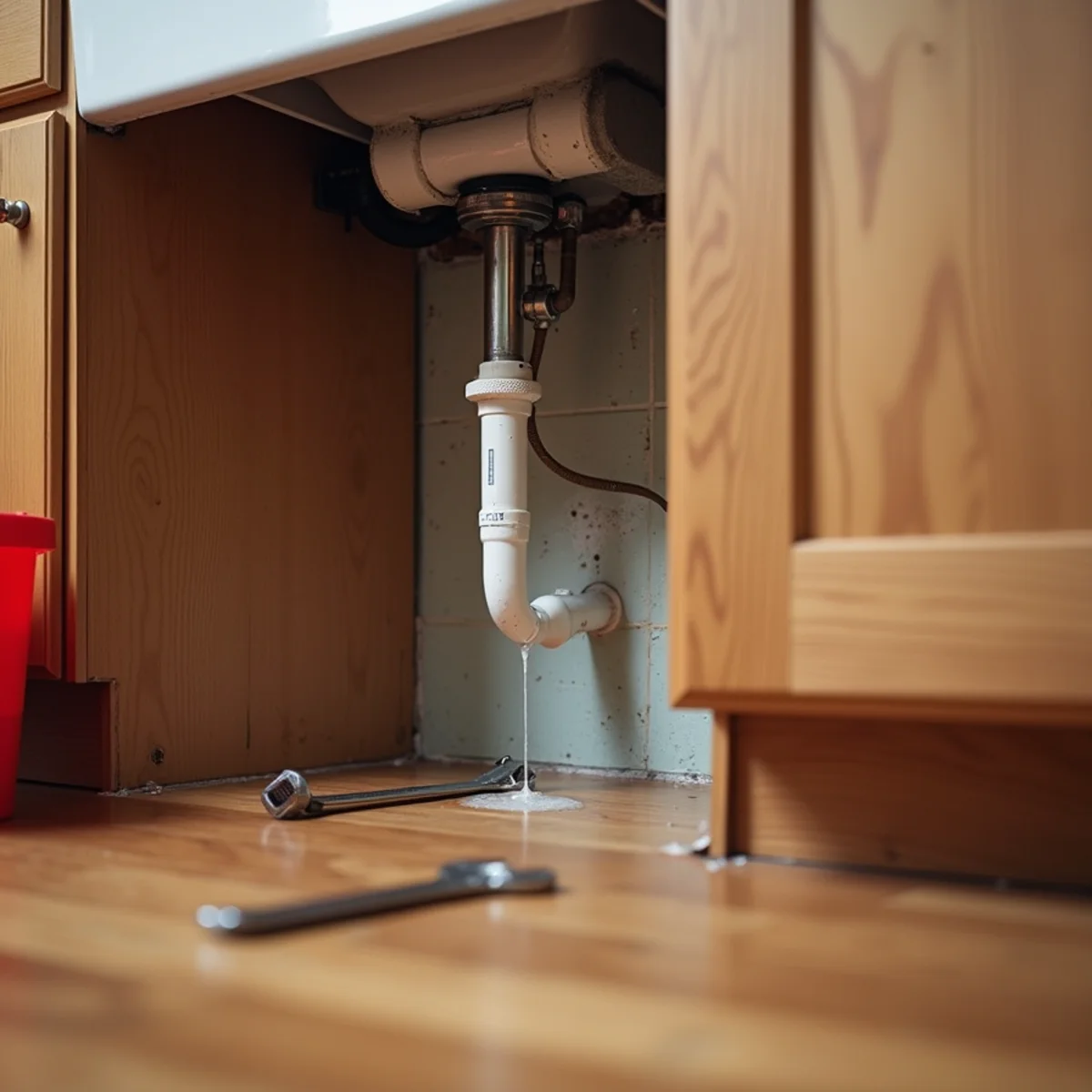
People move to Georgia partly to get away from hard winters, so a burst pipe catches a lot of homeowners off guard. But Walton County does dip below freezing several nights each winter, and it is usually the pipe in an unconditioned space — a crawlspace, an exterior wall, a garage line — that freezes, splits, and then floods the room above it when it thaws.
The damage from a burst pipe is often worse than a storm flood, because the water can run for hours before anyone notices, and it comes from below or inside the walls where you cannot see it. Here is how to respond and what it takes to save your hardwood and subfloor.
Why Georgia Pipes Freeze in the First Place
Homes here are not always built for deep cold. Crawlspaces are vented, exterior spigots often lack frost-proof valves, and pipe runs in exterior walls may have little insulation. When a cold front pushes overnight lows into the teens or low twenties, water in those unprotected pipes freezes, expands, and cracks the pipe. The break may not leak until the ice thaws the next afternoon — which is why the flooding often shows up a full day after the coldest night.
Shut it off at the main
The single most important move during any burst pipe is closing the main water shutoff valve. Know where yours is before winter — most Walton County homes have it near the front hose bib or inside the crawlspace access.
The First Hour: Stop, Drain, Extract
Once you have shut off the main, open a few faucets to drain the remaining pressure in the lines so the leak slows. Then begin pulling water off the floor exactly as you would in any flood — wet/dry vac first, then towels and fans. The difference with a burst pipe is that a lot of the water may already be under the house.
- Close the main water shutoff valve.
- Open faucets to relieve pressure and stop the flow at the break.
- Extract standing water from the finished floor immediately.
- Check the crawlspace or basement below the leak — water pools there and soaks joists.
- Photograph everything for your insurance claim before you remove materials.
Saving Hardwood After a Freeze Leak
Hardwood responds to a burst pipe the same way it responds to any water: it swells across the grain and cups. If drying starts within a day and the water was clean, there is a real chance the boards will flatten as they release moisture, and the floor can be sanded and refinished rather than replaced. That is a far cheaper outcome — refinishing costs a fraction of a full hardwood replacement, which in the Monroe area can run anywhere from roughly six to over twenty dollars per square foot installed depending on species and grade.
The mistake homeowners make is drying too fast with high heat, which causes the wood to check and split. Controlled drying, monitored with a moisture meter over several days, gives the best odds. A refinishing contractor can tell you within a visit whether your boards are candidates for salvage.
The Subfloor Is the Real Battle
When a pipe bursts in a crawlspace, the plywood subfloor gets soaked from below while the finish floor looks fine from above. Trapped between two layers, that plywood dries slowly and can delaminate, sag, or grow mold. This is where emergency subfloor repair comes in — sometimes a section of subfloor and the joists beneath it have to be dried aggressively, and occasionally cut out and replaced before any new flooring goes down.
Skipping this step is how homeowners end up redoing a floor twice. New flooring installed over a subfloor still reading high moisture will buckle, squeak, or trap mold within a season. We inspect from below whenever a crawlspace is accessible, because that is where the truth is.
Watch for the slow reveal
Musty smells, floors that feel spongy, or cupping that appears a week after the leak all point to a subfloor that never fully dried. Have it checked before you assume the problem is over.
Preventing the Next Freeze
After the repair, a few cheap steps keep it from happening again: insulate exposed crawlspace and exterior-wall pipes, cover hose bibs, and let a faucet drip on the coldest nights so moving water resists freezing. Sealing crawlspace vents during a hard freeze also helps hold warmth around the plumbing.
Call Before the Damage Spreads
A burst pipe is one of the few flooring emergencies where hours genuinely matter. If you have had a freeze leak anywhere in Walton County, Baxter Professional LLC will assess the hardwood, dry and repair the subfloor, and give you a straight answer on what can be saved — all starting with a free estimate. Call (844) 954-6342 today.
Related Baxter Professional services
Frequently asked questions
Plywood subfloor that stays saturated beyond a couple of days often delaminates or grows mold. Fast professional drying can save it; prolonged wetness usually means cutting out and replacing the affected section.
Sudden, accidental pipe bursts are typically covered, including the resulting floor damage. Gradual leaks from neglect often are not. Document the break and call your carrier quickly.
High, uneven heat causes hardwood to check and split and does not reach the subfloor. Controlled drying with proper equipment and moisture monitoring gives a far better result.
Written by the Baxter Professional flooring crew
A locally owned, fully insured flooring contractor in Monroe, GA — installing, refinishing and repairing floors across Walton County for homeowners, landlords and businesses. Questions about your project? Meet the team or call (844) 954-6342 for a free estimate.
Keep reading

Flooded Floors in Monroe? What to Do in the First 24 Hours
A step-by-step plan for the first 24 hours after your Monroe floors flood — how to stop the damage, document it, and protect your subfloor.

Storm-Damaged Floors: How the Insurance Claim Process Actually Works
How the insurance claim process really works after storm-damaged floors, from documentation to adjuster to replacement, for Covington-area homeowners.
Same-Day Floor Repair: When a Damaged Floor Can't Wait
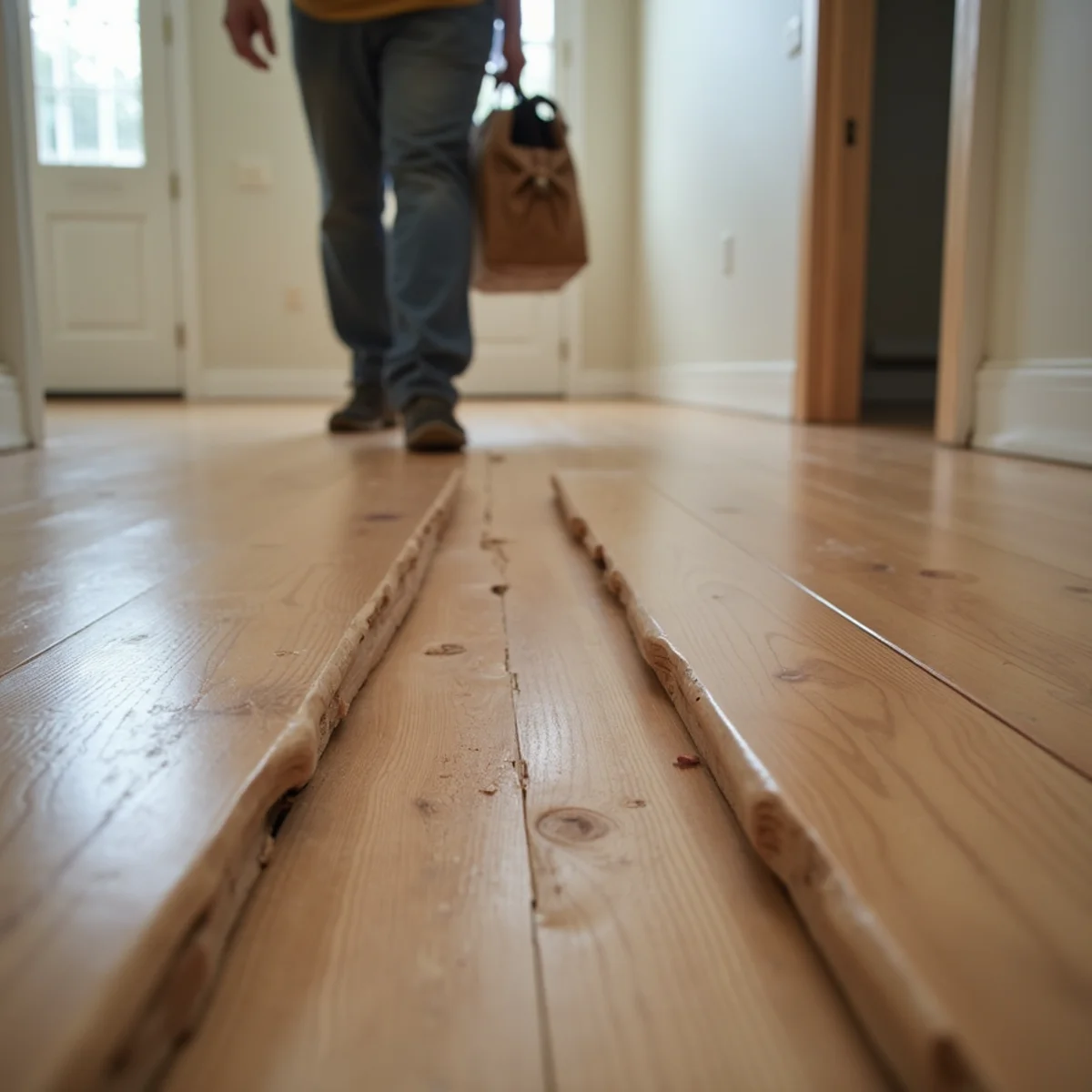
The situations that call for same-day floor repair, what a fast response actually involves, and how Loganville homeowners can get help today.